Exploring the Versatility of Mandala Floral Element in Design
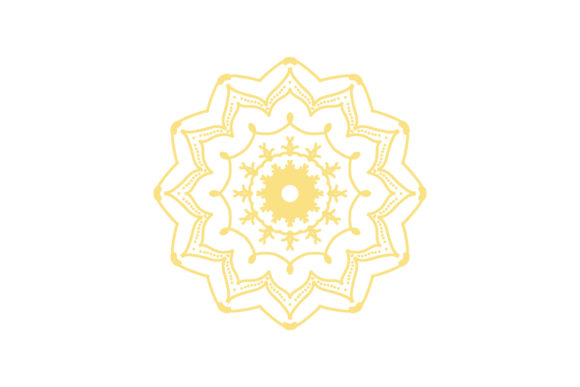
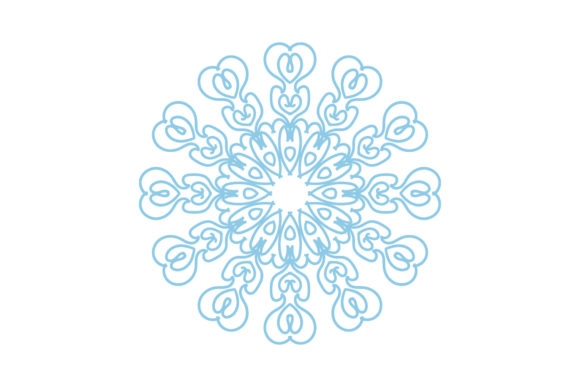
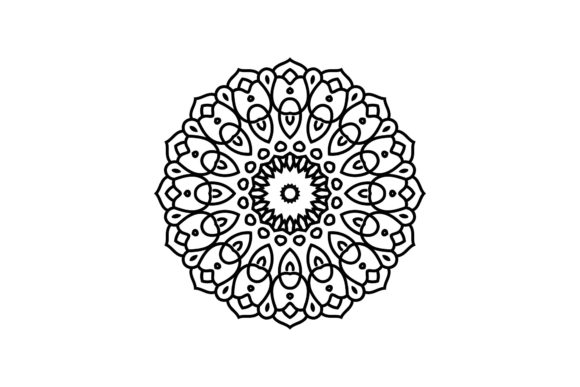
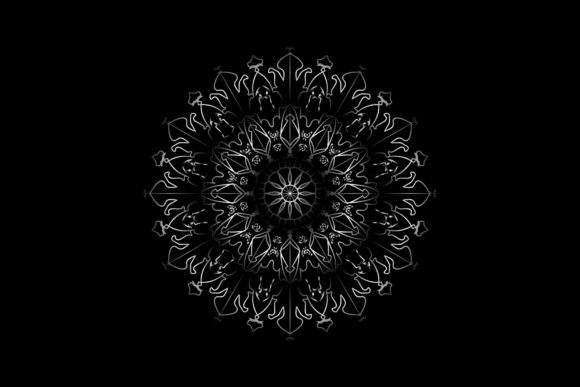
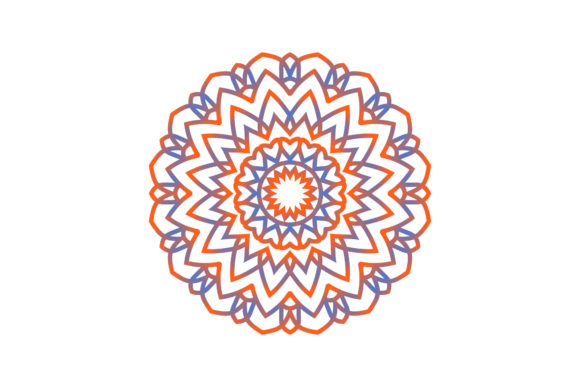
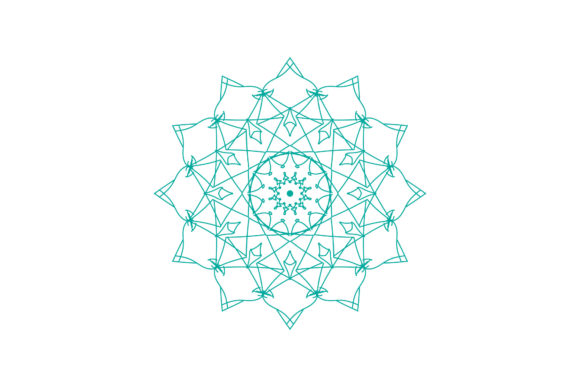
The Mandala Floral Element is a versatile and visually appealing design component that has gained popularity across various creative fields. This intricate and symmetrical pattern, inspired by traditional mandalas, incorporates floral motifs to create a harmonious and aesthetically pleasing design. Whether you are a graphic designer, illustrator, or someone looking to add a unique touch to your projects, the Mandala Floral Element offers a range of benefits and applications.
What Makes the Mandala Floral Element Distinct?
The Mandala Floral Element stands out due to its combination of symmetry and organic forms. Traditional mandalas are known for their geometric precision and spiritual significance, while floral elements bring a natural, flowing quality to the design. This blend results in a design that is both structured and free, making it highly adaptable to different styles and purposes. The intricate details and balanced composition make it an excellent choice for adding depth and visual interest to any project.
Comparing Mandala Floral Elements with Other Design Options
When considering the Mandala Floral Element, it's useful to compare it with other popular design elements such as abstract patterns, minimalist designs, and more traditional floral arrangements. Each option has its own strengths and best-fit situations:
- Abstract Patterns: These can be highly expressive and modern but may lack the structured elegance and spiritual undertones of the Mandala Floral Element. Abstract patterns are great for contemporary and avant-garde designs.
- Minimalist Designs: Minimalism focuses on simplicity and clean lines, which can be very effective for creating a sleek and uncluttered look. However, they may not offer the same level of detail and complexity as the Mandala Floral Element, which can be a drawback if you need a more ornate and detailed design.
- Traditional Floral Arrangements: While these can be beautiful and timeless, they often follow a more predictable and less versatile structure. The Mandala Floral Element, with its symmetrical yet organic nature, provides a unique and dynamic alternative that can be used in a wider range of contexts.
Strengths and Tradeoffs of Using Mandala Floral Elements
The Mandala Floral Element offers several key advantages:
- Versatility: It can be used in a variety of design projects, from logos and illustrations to animations and t-shirt designs.
- Scalability: As a vector file, the Mandala Floral Element can be resized without losing quality, making it ideal for both small and large-scale applications.
- Customizability: The included AI, EPS, PNG, JPG, and SVG files are openable and editable, allowing for easy customization to fit specific design needs.
However, there are also some tradeoffs to consider:
- Complexity: The intricate nature of the Mandala Floral Element may not be suitable for all design projects, especially those requiring a more minimalistic or straightforward approach.
- Learning Curve: For designers who are not familiar with vector editing software, the process of customizing the Mandala Floral Element might require some time and effort to master.
Best-Fit Situations for Mandala Floral Elements
The Mandala Floral Element is particularly well-suited for projects that require a blend of elegance and creativity. Here are some practical examples:
- Logo Design: The symmetrical and detailed nature of the Mandala Floral Element can create a memorable and visually striking logo, especially for brands that value a connection to nature and spirituality.
- Illustrations and Animations: The intricate details and balanced composition make it an excellent choice for creating rich and engaging illustrations and animations, adding a touch of sophistication and depth.
- T-Shirt Designs: The scalability and versatility of the Mandala Floral Element make it perfect for t-shirt designs, where it can be printed in various sizes and colors without losing its impact.
Limitations and Decision Factors
While the Mandala Floral Element is a powerful design tool, it may not be the right choice for every project. Consider the following factors when deciding whether to use this element:
- Project Aesthetic: If your project requires a more minimalistic or modern look, the Mandala Floral Element might be too elaborate. In such cases, simpler designs or abstract patterns might be more appropriate.
- Target Audience: Understanding your target audience is crucial. If your audience prefers a more straightforward and functional design, the Mandala Floral Element might be too decorative and complex.
- Design Software Proficiency: If you or your team are not proficient in using vector editing software, the customization process might be challenging. In such cases, simpler, pre-designed elements might be more practical.
Conclusion: When to Choose the Mandala Floral Element
The Mandala Floral Element is a versatile and visually stunning design component that can elevate a wide range of creative projects. Its intricate details, symmetrical balance, and adaptability make it a valuable addition to any designer's toolkit. However, it's important to carefully consider the specific requirements and aesthetic of your project, as well as the skills and preferences of your team, to determine whether the Mandala Floral Element is the right choice for your needs.
By weighing the strengths and tradeoffs, and considering the best-fit situations, you can make a more informed decision about incorporating the Mandala Floral Element into your design work. Whether you are creating a logo, illustration, animation, or t-shirt design, the Mandala Floral Element offers a unique and elegant solution that can help you achieve a distinctive and impactful design.